
 Business License

What Is a Coal Weighing Feeder: A Complete Introduction to Gravimetric Coal Feeding
When a boiler burns coal at the wrong rate, the problem is rarely dramatic at first. Combustion drifts, the operators compensate, and efficiency slips a little each day. The root cause is often that the fuel was delivered by volume rather than by weight, and volume is a poor stand-in for weight when coal quality changes.
If you are new to coal handling or specifying equipment for a combustion process, the coal weighing feeder is the instrument that solves this problem. It delivers coal by measured weight, correcting for the density changes that make simple feeders unreliable.
This guide introduces what a coal weighing feeder is, how it works, and why gravimetric feeding matters. It assumes no prior background and builds the concepts step by step.
1. The Basic Idea: Feeding Coal by Weight
A coal weighing feeder is a machine that meters coal into a downstream process at a controlled rate, and it measures that rate by weighing the coal as it moves. The goal is a steady, known delivery of fuel, usually expressed in tonnes per hour.
The key word is "weighing." Unlike a simple conveyor that just moves coal, a weighing feeder knows how much coal is on its belt at any moment and adjusts its speed to deliver the amount the process demands.
That combination of measuring and controlling is what separates a coal weighing feeder from a plain conveyor or a simple volumetric feeder. It is a metering device, not just a transport device.
It helps to think of the feeder as the fuel equivalent of a metering valve in a liquid line. A valve controls a liquid flow by opening and closing; the weighing feeder controls a solid fuel flow by weighing it and adjusting speed. The solid material is harder to meter than a liquid, which is why the weighing part is necessary.
2. Why Weight Matters More Than Volume
Coal is not a uniform material. Its bulk density changes with moisture content, particle size, and how much it has been compacted in the bunker. A cubic metre of coal on a rainy day contains more mass than the same cubic metre of dry coal.
A volumetric feeder moves a set volume and assumes the density is constant. When density changes, the actual weight delivered changes with it, even though the feeder has done nothing wrong. The boiler receives more or less fuel than intended, and combustion drifts.
A coal weighing feeder avoids this by measuring weight directly. When the density changes, the feeder senses the change in belt load and adjusts speed to keep the delivered weight on target. The weight, not the volume, is what stays constant.
The density change can be substantial in practice. Coal stored outdoors absorbs moisture after rain, and freshly crushed coal packs differently from coal that has settled in a bunker for days. A gravimetric feeder absorbs all of this variation because it is measuring the actual mass on the belt at every instant, not assuming a fixed density.
3. The Components of a Coal Weighing Feeder
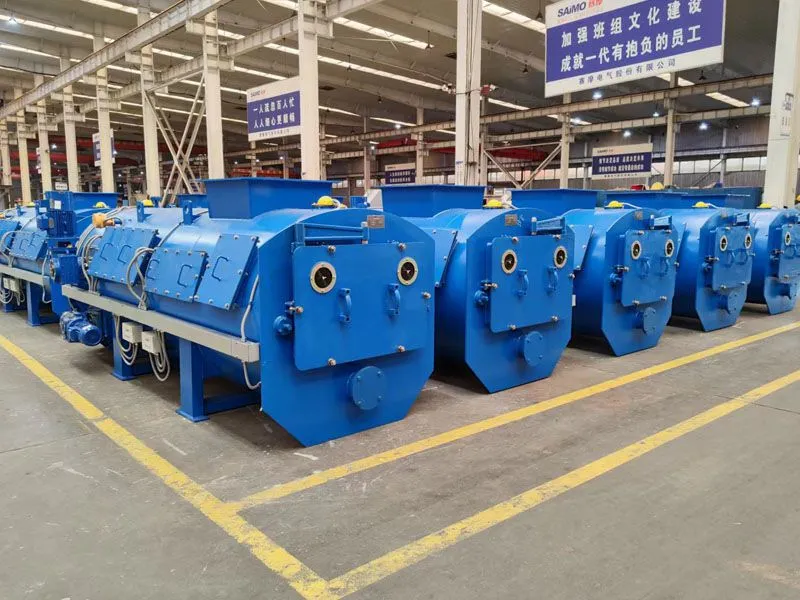
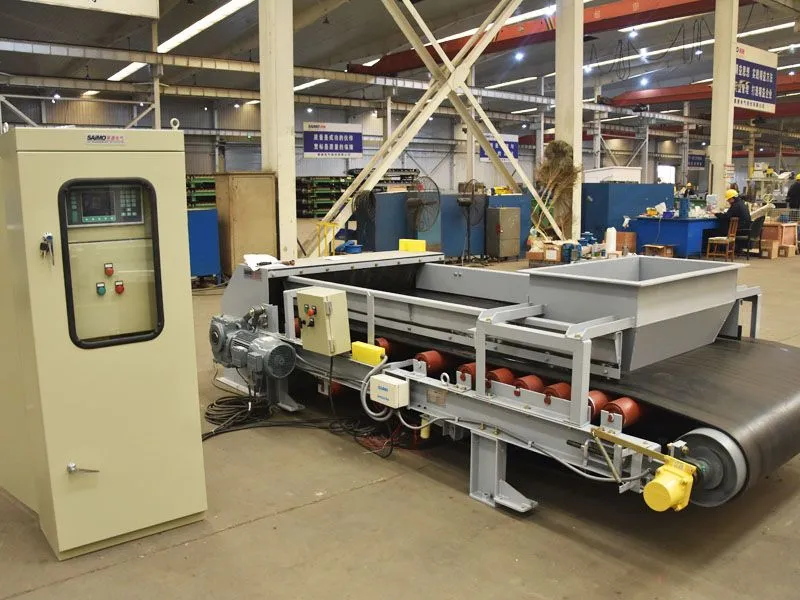
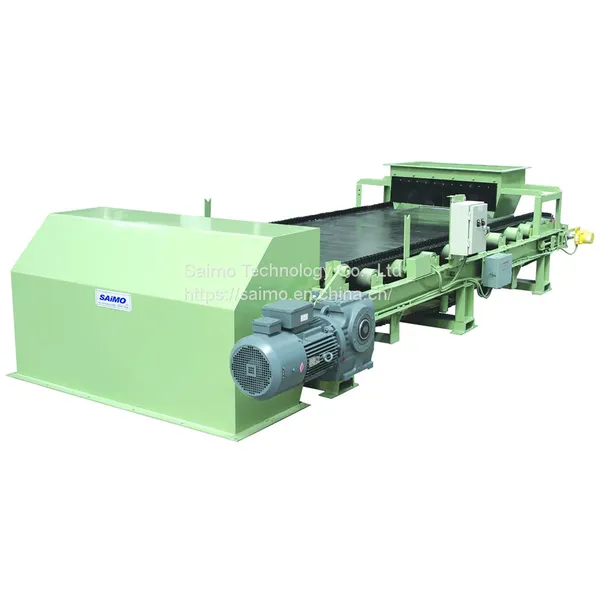
A coal weighing feeder is a complete machine with several parts working together. Understanding the parts makes the rest of the explanation clearer. The table below lists the main components and their roles.
| Component | Role |
|---|---|
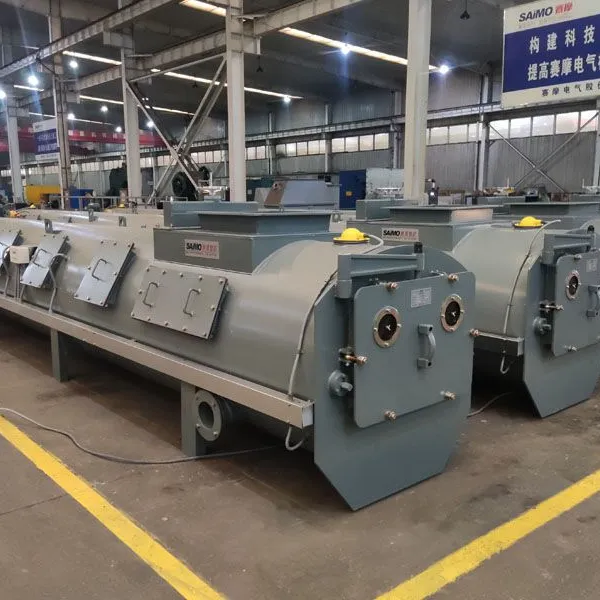
| Belt and drive | Carries coal and adjusts speed to control delivery |
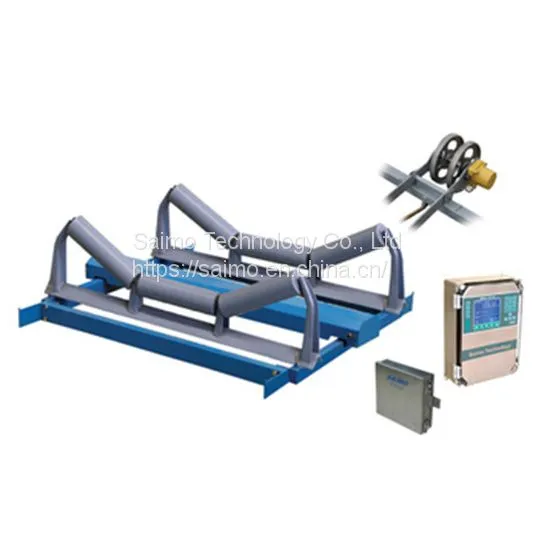
| Weigh span and load cells | Measure the weight of coal on the belt |
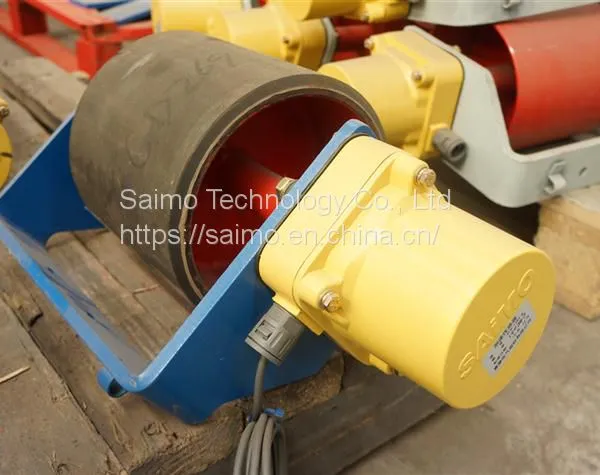
| Speed sensor | Measures belt speed for the rate calculation |
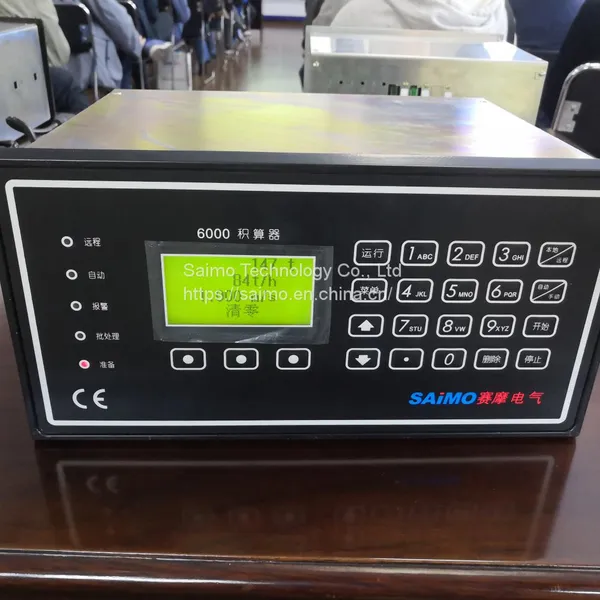
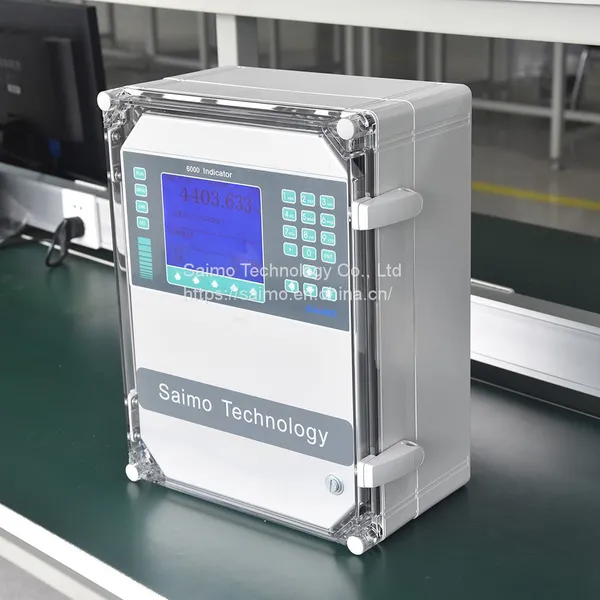
| Controller / integrator | Computes feed rate and adjusts the drive |
| Inlet / hopper | Feeds coal onto the belt evenly |
The belt and drive are what actually move the coal. The weigh span and load cells measure how much coal is sitting on a section of the belt. The speed sensor reports how fast the belt is moving, and the controller combines the two to compute the delivery rate.
4. How the Weighing and Control Loop Works
The coal weighing feeder works as a closed loop. The load cells measure the mass of coal on the weigh span, and the speed sensor measures the belt velocity. The controller multiplies the two to obtain the instantaneous feed rate in tonnes per hour.
The controller then compares that rate with the setpoint, which is the rate the process has demanded. If the measured rate is below the setpoint, the controller speeds up the belt. If it is above, the controller slows the belt down.
Because this loop runs continuously, the feeder corrects almost as fast as conditions change. A change in coal density, a shift in bunker level, or a new setpoint from the control room is all met with an automatic adjustment that holds the delivered weight steady.
There is a subtle step worth noting: the controller separates the weight of the empty belt from the weight of the coal. The empty belt has its own weight, and that must be subtracted so the rate reflects fuel only. This zero reference is checked periodically, because a small error in it becomes a persistent offset in the delivered fuel weight.
5. Gravimetric vs Volumetric: The Practical Difference
The term "gravimetric" simply means "by weight," and it is the defining feature of a coal weighing feeder. A gravimetric feeder measures weight and controls the belt to deliver a set weight per unit of time.
A volumetric feeder, by contrast, controls volume. It may use a fixed-speed screw or a gate to move a set volume, and it does not weigh the material. Its delivery is consistent in volume, not in weight.
The practical difference appears whenever coal density changes. The gravimetric feeder corrects for the change and keeps delivering the same weight; the volumetric feeder keeps delivering the same volume, which is now a different weight. For combustion control, that difference is the whole point.
It is worth stating plainly why combustion cares. Burning a consistent weight of fuel produces a consistent release of heat, and that consistency is the basis for steady furnace temperature and controllable excess air. When the fuel weight drifts, the air side has to chase it, and that chasing is what produces the unstable operation that plants work so hard to avoid.
6. Where Coal Weighing Feeders Are Used
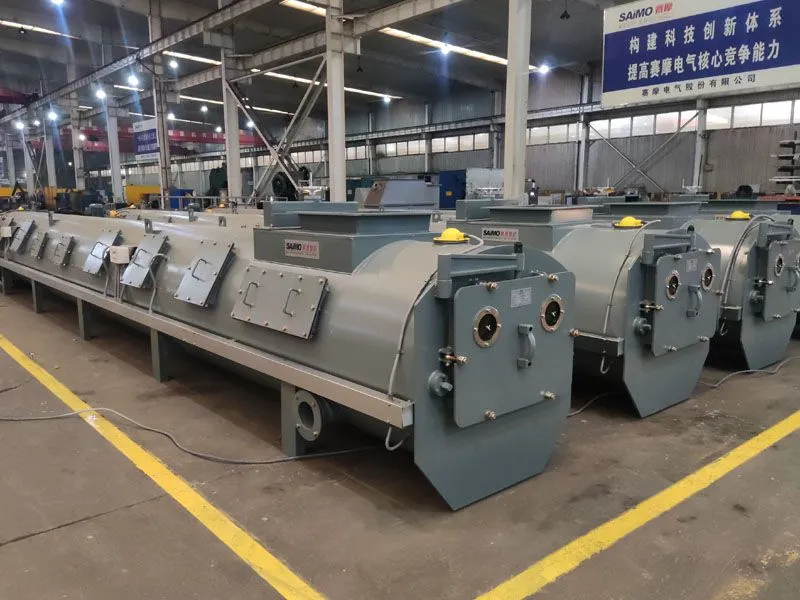
The most common home for a coal weighing feeder is the fuel path of a coal-fired power plant or industrial boiler. The feeder meters coal from the bunker into the pulverizer or directly into the combustion system, matching the fuel delivery to the boiler's demand.
Beyond power generation, the same principle serves any process that needs coal metered by weight. Cement kilns, metallurgical furnaces, and chemical processes that burn or consume coal all use weighing feeders to hold a controlled fuel rate.
The feeder is not limited to raw coal, either. The same gravimetric approach meters blended fuels, and it can handle the variations in a mixed fuel stream the same way it handles variations in a single coal. Wherever the process depends on a known weight of fuel per hour, the weighing feeder is the instrument that provides it.
Saimo Technology Co Ltd supplies coal weighing feeders for these applications, and the common thread is a process that depends on a steady, known fuel delivery.
7. Accuracy and What It Depends On
A coal weighing feeder's accuracy is usually stated as a percentage of the actual feed rate over a defined range. A well-specified feeder can hold its rate within a tight band, but the number depends on the feeder's design, the coal, and the installation.
The accuracy claim only holds if the feeder is calibrated and maintained. The weigh span must stay clean, the zero reference must be correct, and the load cells must be in good condition. A gravimetric feeder that is neglected will drift just like any weighing instrument.
Understanding this matters when comparing feeders, because an accuracy figure quoted without a range, a reference, or a maintenance context tells you very little about how the machine will perform over years.
Turndown is part of the accuracy story too. A feeder must hold its accuracy not just at full rate but also when the process runs at low load. A coal weighing feeder with a wide turndown serves a boiler that cycles through partial load, while one sized only for the top may lose control at the bottom of the range.
8. Two Field Examples
The value of gravimetric feeding is clearest in operation. These examples describe typical situations rather than any specific named facility.
In the first case, a coal-fired plant had been running volumetric feeders and struggling to hold steady combustion whenever the coal moisture changed. The operators had to manually adjust the air-to-fuel ratio as the delivered fuel weight drifted. After switching to coal weighing feeders, the delivered weight matched the boiler's demand directly, and the plant reported noticeably steadier furnace conditions during load changes. The improvement came from the closed-loop weighing correction that the volumetric units could not provide.
A second, smaller example involved an industrial boiler burning a coal with a wide moisture range. A coal weighing feeder with a sealed weigh frame held the set rate through fuel changes that had previously required frequent operator intervention, and the plant attributed the reduced manual correction to the gravimetric control.
9. What to Know Before You Choose One
If you are considering a coal weighing feeder, a few points will help you specify it correctly. The fuel range, including moisture and particle size, matters because it shapes the hopper and belt design. The feed rate band and the turndown you need determine the sizing.
The accuracy definition and the control interface are the other two essentials. Ask how accuracy is quoted and over what range it holds, and confirm how the feeder will connect to your plant's control system.
The company works through these points with buyers, because a coal weighing feeder that is matched to the real fuel and duty performs far better than one specified from a generic description.
The single most useful step is to write down your fuel range and your feed rate band before comparing options. When those two are documented, the choice of feeder becomes a matter of matching a specification rather than a judgment call made under time pressure. That written requirement is what turns a good feeder choice into a straightforward one.
10. Frequently Asked Questions
10.1 What is the difference between a gravimetric and volumetric coal feeder?
A gravimetric coal feeder weighs the coal and controls the belt to deliver a set weight per unit of time, correcting for changes in density. A volumetric feeder moves a set volume and does not weigh the material, so its delivered weight drifts when density changes. For combustion control where fuel quality varies, the gravimetric coal weighing feeder is the standard choice.
10.2 How does a coal weighing feeder measure the feed rate?
It measures the mass of coal on a weigh span using load cells and measures the belt speed with a sensor, then multiplies the two to obtain the feed rate. The controller compares this rate with the setpoint and adjusts belt speed to hold the delivered weight on target. The loop runs continuously, so the rate is corrected as conditions change.
10.3 Where is a coal weighing feeder used?
The primary application is metering coal into the fuel path of a coal-fired power plant or industrial boiler, where it delivers fuel from the bunker to the mill or combustion system at a controlled rate. The same principle is used in cement kilns, metallurgical furnaces, and chemical processes that burn or consume coal, wherever a steady fuel rate matters.
10.4 What affects the accuracy of a coal weighing feeder?
Accuracy depends on the feeder's design, the coal being handled, and how well the feeder is maintained. The weigh span must stay clean, the zero reference must be correct, and the load cells must be in good condition. A feeder that is calibrated on a schedule and kept free of buildup will hold its published accuracy far longer than one that is neglected.
Recently Posted
-
Saimo Intelligent's "High Stability Technology for Belt Scales" Passes Scientific and Technological
January 19, 2026On December 6, 2025, the Scientific and Technological Achievement Appraisal Meeting, organized and chaired by the China National Light Industry Council, was successfully held in Xuzhou. The "Research and Application of High Stability Technology for Belt Scales" project, completed by Saimo Intelligent Technology Group Co., Ltd., underwent rigorous evaluation by an authoritative expert panel and was recognized as &quoRead More -
Saimo Intelligence Assists in the Smooth Acceptance of SPIC’s Smart Fuel Project
January 19, 2026Recently, the Smart Fuel Project of the Xining Power Generation Branch of Huanghe Company, undertaken by Shanghai Power Equipment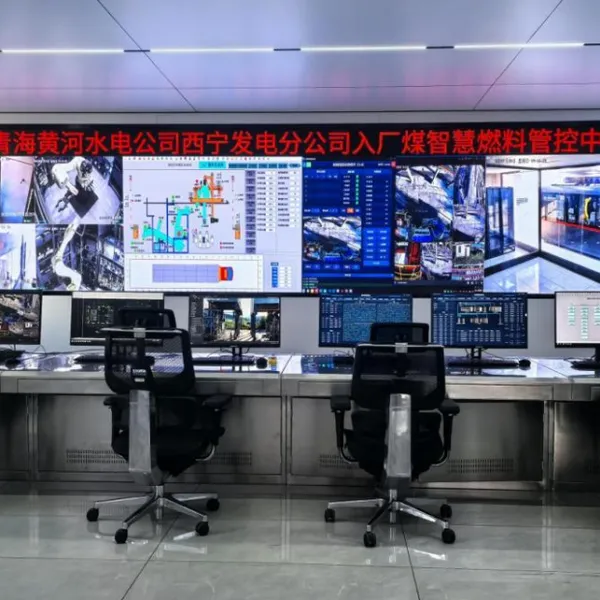 Read More

Contact Us
Recommended Products
-
 SAIMO Automatic Train Sampler Auger Sampling Systems Coal SamplesNegotiableMOQ: 1 Combo
 -
Saimo's Model S70 Sweep Type Sampling Machine Sampling SystemNegotiableMOQ: 1 Set
-
SAIMO Pressure-resistant Gravimetric Coal Feeder, Model F55NegotiableMOQ: 1 Piece
-
Saimo F52 Mid Range Weigh Belt Feeder System Weighing FeederNegotiableMOQ: 1 Piece
-
Saimo Feeder Controller Weighing Controllers 6105/6105B FH-02-6000PNegotiableMOQ: 1 Piece
-
SAIMO Electronic PLR20-2D-J PL20 Safety Pull Switches Conveyor ProtectionsNegotiableMOQ: 1 Piece
-
SAIMO Electronic Belt Misalignment Switch ROS-2D-FM RUN OFF SWITCHES EXtaIIICNegotiableMOQ: 1 Piece
-
Saimo 6301 Belt Scale Integrator 6301D Digitizer FH-03-6000FNegotiableMOQ: 1 Piece
-
Saimo Speed Detector PLR12R/PLR12RN/PLR12RS Speed SensorNegotiableMOQ: 1 Piece
-
Saimo Technology ICS-FH-2 Belt ScaleNegotiableMOQ: 1 Piece
-
SAIMO F57 Fluidized Bed Boiler Coal FeederNegotiableMOQ: 1 Combo
-
SAIMO Automatic Truck Sampler Auger Sampling Systems Coal SamplesNegotiableMOQ: 1 Combo
-
SAIMO F55 Pressure-Tolerant Weighing Coal FeederNegotiableMOQ: 1 Combo
-
Saimo Feeder Controller Belt Integrator6001/6001B FH-10-6000FNegotiableMOQ: 1 Piece
-
Saimo Technology PL50 Belt Damage Detector PLR50NegotiableMOQ: 1 Piece
-
Saimo's Auger Type Sampling Systems AUGER SAMPLING SYSTEM FOR TRUCKNegotiableMOQ: 1 Set
-
Saimo's Model S76 Sampling UnitNegotiableMOQ: 1 Set
-
SAIMO ICS-FH-16 High Precision Belt ScaleNegotiableMOQ: 1 Combo
-
Saimo 6101 Belt Scale Integrator 6000 Integrator FH-10T-6000FNegotiableMOQ: 1 Piece
-
Saimo Technology Tilt Switch Probe Model PLR30M-FM EXta IIICNegotiableMOQ: 1 Piece